A Beginner's Guide to Container Plants for a Sunny Terrace
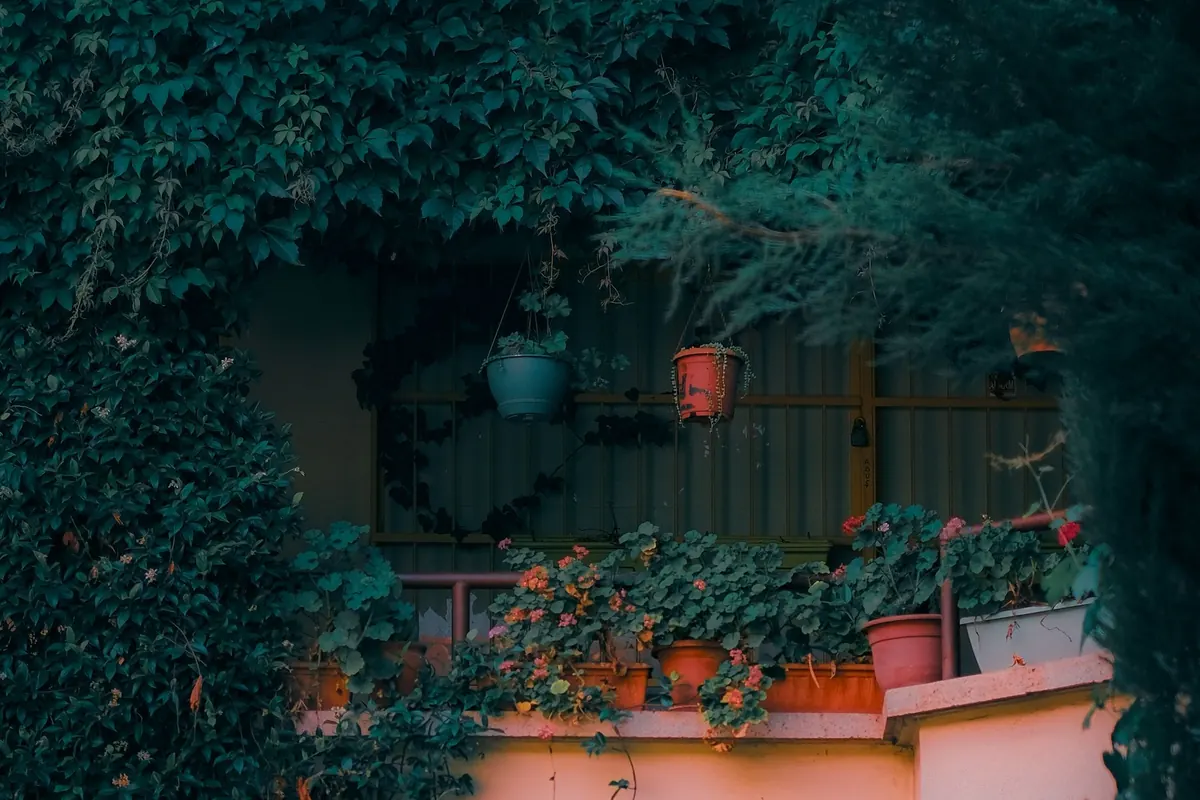
A south-facing terrace can feel like a hostile place in July. Concrete and stone soak up heat all day and release it into the evening, walls bounce light back at your plants from two directions, and any wind that reaches the top floor arrives dry. Yet this is exactly where the sun lovers live — the plants that sulk in shade and bloom their heads off in the brightest spot you own. The trick is getting three things right from the start: the pot, the mix it sits in, and the plants you put there. Everything else is maintenance.
Choose Pots That Can Handle the Heat
Size matters more than style. A generous pot holds more soil, which holds more water and buffers root temperature through the hottest part of the day. As a rule, herbs and small annuals are happy in a pot of roughly 25–30 cm across; tomatoes, peppers and dwarf shrubs want 35–45 cm or more. Tiny pots on a hot terrace may need watering twice a day in midsummer, which gets old fast.
Material changes how quickly things dry out. Glazed ceramic, frost-proof stoneware, concrete and thick plastic hold moisture reasonably well. Unglazed terracotta breathes, which is lovely for rosemary and thyme and less lovely for basil. Dark glazes and black plastic absorb heat and can cook shallow roots, so lean towards pale colours on a blazing terrace.
Whatever you buy, check the drainage hole before anything else. Raise pots on feet or bricks so water escapes instead of pooling underneath, and empty saucers after heavy rain. A top-heavy plant in a tall pot will also topple in a gust, so keep the heaviest pots low, or set them in a corner where the wall breaks the wind.
Soil: The Mix That Makes the Difference
Never fill a container with garden soil. It turns to brick in a pot, drains badly and carries weed seeds. Use a potting mix instead — ideally a peat-free blend based on coir or composted bark, with perlite or pumice mixed through for drainage. It should feel springy and crumble easily in your hand.
Two additions earn their place. A slow-release fertiliser stirred into the mix feeds for weeks without you thinking about it, and a layer of gravel or bark mulch on the surface slows evaporation and keeps the top of the root ball cooler. Water-retaining granules help in small pots, though skip them in rainy climates where they can leave roots permanently wet.
At the end of each season, refresh the top few centimetres of mix and top up with compost. After two or three years, replace it entirely — by then the structure has broken down and the nutrients are long gone.
Plants That Genuinely Love Full Sun
Don't fight the conditions. Pick plants that evolved for bright, dry, exposed places and they'll do the work for you.
Annuals and tender plants
Pelargoniums, lantana, portulaca, gazania, verbena, marigolds, zinnias and cosmos all flower hard through a hot summer. Add trailing sweet potato vine or heliotrope for spill over the pot's edge. Angelonia and vinca shrug off heat that makes petunias stall.
Herbs
Rosemary, thyme, oregano, sage and lavender are made for this. They want gritty, free-draining soil and a light hand on the watering can — overwatering kills more of them than heat ever will. Basil loves sun too, but it's thirstier and wilts dramatically by mid-afternoon; water it in the morning and it recovers.
Succulents and drought lovers
Sedum, echeveria, aeonium, sempervivum and agave look after themselves provided they dry out between waterings. Water deeply and rarely rather than little and often. In very intense afternoon sun, a pale pot and a little shade at the base prevents scorching.
Edibles
Cherry tomatoes, chillies, peppers, aubergines, strawberries and bush beans all crop well in containers. Dwarf citrus in a large pot is a long-term project but rewarding on a sunny terrace.
One caution: group plants by water need. A thirsty mint sharing a pot with a drought-tolerant thyme means one of them is always unhappy.
Watering: The Daily Rhythm of a Sunny Terrace
Morning is the best time to water. The plant starts the day with a full reserve, and less is lost to evaporation. Evening is second best; midday watering isn't harmful, just wasteful, though in a heatwave it's better than letting a plant collapse.
Water until it runs freely from the drainage hole, then stop. A quick daily sprinkle only wets the surface and encourages weak, shallow roots. To check whether a pot needs water, push a finger in up to the second knuckle, or simply lift it — a light pot is a dry pot.
If you're away often, a drip line on a timer, self-watering containers or buried clay ollas take the guesswork out. Grouping pots together also helps: they shade each other's root zones and create a slightly more humid microclimate.
Read the leaves and you'll catch problems early:
- Crisp brown edges and wilting that doesn't recover by evening: genuinely dry — water thoroughly and mulch.
- Yellow lower leaves in soggy soil: overwatering or poor drainage. Let it dry out and check the hole isn't blocked.
- Mid-afternoon droop that perks up after sunset: normal heat stress, not a crisis. Don't drown it.
- Pale, scorched patches on leaves: too much direct afternoon sun, especially after watering. Move the pot or shade it briefly.
Feeding and Tending Through the Season
Container plants exhaust their soil quickly because every watering leaches nutrients away. A liquid feed every two weeks keeps flowering plants going; heavy feeders like tomatoes and petunias appreciate it weekly. Stop feeding as growth slows in autumn.
Deadhead regularly — every few days in peak season — and pinch back leggy stems to encourage bushy growth. Watch for aphids on soft new tips and spider mites in hot, dry air; a strong blast of water handles mild infestations, and insecticidal soap deals with the rest. Check roots in late summer: if a pot is packed solid with roots, pot it up a size or trim the root ball and replace some of the mix.
Start Small and Adjust
You don't need a terrace full of pots in your first year. Choose five or six containers, put the sun lovers where they'll get the most light, and keep a note of what thrives and what frazzles. A hot terrace is a specific, demanding environment, and the plants that succeed there will tell you quickly. Once you know your spot's quirks — how fast it dries, where the wind hits, which corner bakes by two o'clock — the following season gets far easier, and far more colourful.
Photo: Can Ceylan / Pexels